Table of Contents
ToggleWhen a roof fails unexpectedly, every minute counts. Whether it’s a burst seam, puncture, or collapsed section on your industrial facility, water intrusion can cost thousands in equipment damage, lost productivity, and business interruption. Emergency industrial roof repair isn’t about perfection, it’s about stopping the damage immediately and buying time for a proper permanent fix. This guide walks you through recognizing when you’re in crisis mode, taking smart first steps, deploying temporary solutions that actually hold, and planning the lasting repair your building needs.
Key Takeaways
- Active water leaks, structural sagging, and exposed substrate are critical signs requiring immediate emergency industrial roof repair to prevent equipment damage and business interruption.
- Document all damage with photos and video, secure the affected area, and contact both your insurance provider and a commercial roofer simultaneously to preserve coverage and minimize delays.
- Temporary solutions like rubber membrane patches, tarping, and pond water removal can effectively hold for 6–12 months while you plan the permanent fix, potentially saving thousands in losses.
- Professional roof assessments determine whether damage is localized (costing $500–1,500) or systemic ($15,000–50,000+), making expert evaluation essential before budgeting permanent repairs.
- Verify contractor licensing, insurance, and bonding before hiring, and implement annual maintenance inspections to prevent future industrial roof failures from pooling water and impact damage.
Signs You Need Emergency Roof Repair Now
Not every roof problem demands a midnight emergency call. Understanding which issues are urgent and which can wait a few weeks helps you respond proportionally, and keeps emergency costs in check.
Active water leaks inside the building are the clearest red flag. If water is dripping from ceiling panels, running down walls, or pooling on work surfaces, your roof’s waterproofing has already failed. Even a slow leak will stain drywall, soak insulation, and corrode metal, all of which accelerates damage exponentially.
Visible structural sagging or deformation signals serious trouble. A roof membrane that’s visibly dished, bulging, or sagging indicates trapped water weight (ponding water on a flat industrial roof can weigh 5 to 10 pounds per square foot or more) or structural compromise. This situation can progress to collapse without warning.
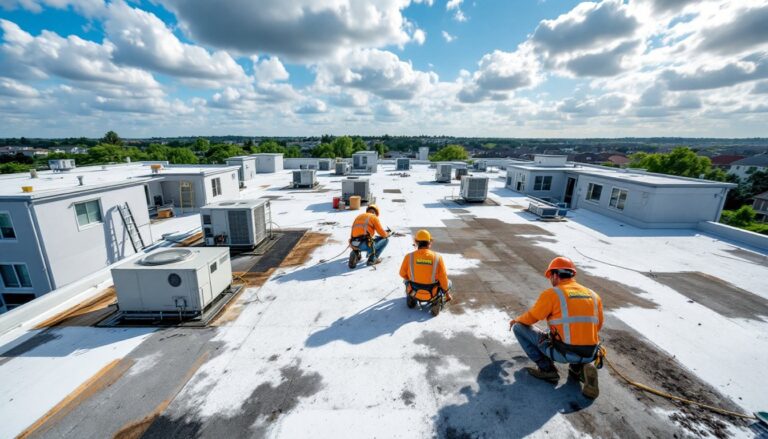
Exposed substrate, missing fasteners, or torn membrane after storms, high winds, or shipping impact means UV damage and water infiltration are happening right now. Industrial roofs, whether EPDM rubber, TPO, or built-up tar and gravel, lose their protective seal the moment the membrane tears or fasteners pull free.
Widespread blistering or lifting in membrane roofing suggests trapped moisture beneath the roof’s surface. While not always urgent in dry conditions, blisters indicate the membrane’s adhesion is compromised: any heavy rain or wind event can turn a blister into a leak.
If you’re seeing any of these, don’t delay. Get up safely and inspect, then contact a qualified roofer immediately.
Immediate Steps to Take When Your Roof Fails
Your first few actions will either contain the damage or let it spiral. Here’s the priority sequence.
Secure the Area and Document Damage
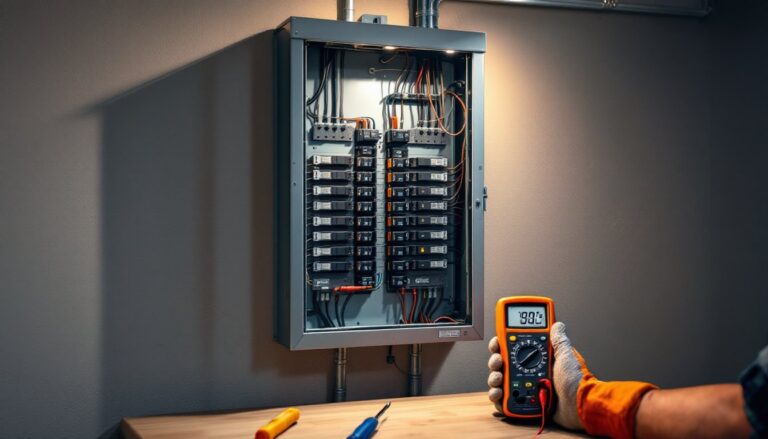
Before you touch anything on the roof, ensure no one can access the damaged zone. If leaks are active inside the building, move equipment, inventory, and materials away from the affected area immediately. Place buckets or tarps to catch water and direct it away from electrical panels, machinery, and finished materials. Use caution, wet floors and dripping water create slip and electrical hazards.
Once the area is secured, document everything with photos and video from safe positions. Capture the full extent of membrane damage, tears, missing sections, exposed insulation or decking, and any water stains or pooling inside. This documentation is essential for insurance claims and helps any contractor you hire understand the severity without a separate inspection.
If high winds or impact caused the damage, also photograph undamaged roof sections for comparison. Insurance adjusters will want proof that the damage is new, not pre-existing wear.
Contact Professionals and Your Insurance
Call your property insurance company and your commercial roofer simultaneously. Don’t wait to see if the leak stops. Most industrial roof failures require both professional repair and insurance documentation, and delays can void coverage or inflate the damage bill.
When you call, describe the type of damage (torn membrane, fastener pullout, ponding water, visible substrate) and its rough size. This helps the roofer prioritize emergency calls and bring the right materials. Many commercial roofing contractors have 24/7 emergency lines and can get a crew onsite within hours in urban areas.
Warn your insurance adjuster that temporary repairs may be necessary before the permanent fix. Most policies cover emergency tarping or patching as a damage-mitigation step, you may actually reduce your claim cost by acting fast.
Temporary Repair Solutions for Quick Relief
Temporary repairs aren’t pretty, but they’re critical. A properly applied patch or tarp can stop water intrusion long enough for materials and labor to be sourced for the permanent fix, which often takes 2–6 weeks for industrial roofs.
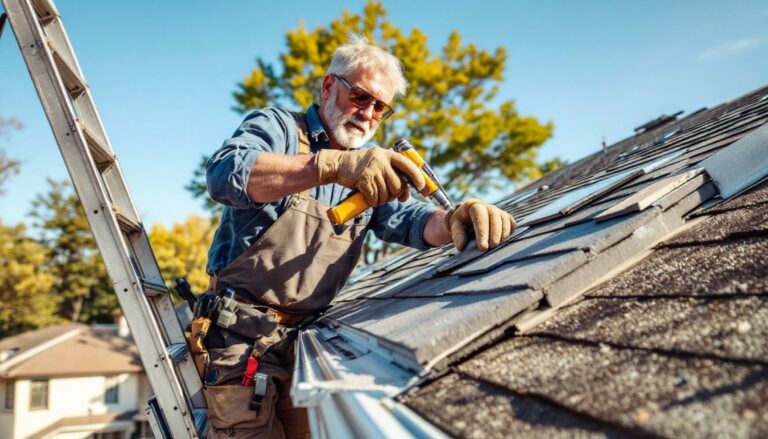
Rubber membrane patches and sealant work best for small tears or punctures (under 12 inches). Clean the damaged area thoroughly, remove debris, dust, and standing water. Use EPDM patch kits (if your roof is EPDM rubber) or universal roofing tape designed for your membrane type. Apply the patch with a primer designed for wet conditions, allow cure time per the product instructions, and press firmly. These patches are not permanent: they’re typically rated to hold 6–12 months under normal weather. They fail quickly if the roof shifts or if the substrate remains wet beneath.
Temporary tarping is the workhorse solution for widespread damage. A properly installed 6-mil or heavier polyethylene or vinyl tarp can block water penetration while you plan the real repair. Secure the tarp using roof-rated fasteners or mechanical attachment systems, tape alone won’t hold in wind. Extend the tarp well beyond the damage zone (at least 3 feet in all directions) and slope it for water runoff. A 20×30-foot tarp costs $100–300, but a botched tarping job that flaps off in the first stiff breeze wastes the investment. If you’re uncomfortable working at height or the tarp is larger than 400 square feet, hire professionals: a misplaced foot or a wind gust can turn a bad day worse.
Pond water removal is non-negotiable if water is backing up on the roof. Even temporary repairs fail if standing water is weighing down the membrane or pooling over the damage. Pump or vac the water off, rented wet-vacs or submersible pumps run $50–150 per day. Once the surface is dry, temporary patches and tarps are far more effective.
For industrial facilities, consult your contractor hiring tips to vet emergency roofers before disaster strikes, having a pre-vetted list saves hours when you’re in crisis mode.
Planning Your Permanent Roof Repair
While temporary repairs are holding the line, your permanent fix should already be in motion. Don’t wait for the temporary patch to fail.
Get a professional roof assessment. A qualified commercial or industrial roofer will determine whether the damage is isolated (a localized patch or section replacement) or systemic (the entire roof membrane or decking needs replacement). Industrial roofs are typically either single-ply (EPDM, TPO, PVC), built-up tar and gravel, or metal. Each material has different repair costs and longevity. A single small tear in an otherwise sound EPDM roof might cost $500–1,500 for a proper repair: catastrophic loss or decking damage could trigger a $15,000–50,000+ re-roof. Only a site inspection reveals the true scope.
Plan for material acclimation and weather windows. Industrial membrane installation requires dry, mild conditions, typically 40–85°F. Roofing contractors book weeks or months out, and seasonal delays (winter, monsoon season) can push timelines. Coordinate with your insurance adjuster on temporary solution duration: if permanent repair can’t happen for 6 weeks, make sure your temporary fix is robust enough to last.
Budget for structural repairs if needed. If water damage has compromised joists, insulation, or decking, these must be addressed before new roofing goes down. Rotten wood, mold-colonized insulation, or corroded metal decking are not cosmetic fixes, they’re safety and performance issues that codes require you to address. HomeAdvisor’s cost estimators help you ballpark renovation and repair costs before soliciting final bids.
Verify contractor licensing and insurance. Industrial roof work often requires state licensing for commercial roofers, liability and workers’ compensation insurance, and possibly bonding. Verify these before you sign a contract. Advanced construction techniques and building science resources can help you understand the scope of work your contractor is proposing, you don’t need to be an expert, but you should understand whether they’re replacing membrane only or cutting into decking.
Plan preventive maintenance. Once your permanent repair is done, schedule annual inspections and basic maintenance: clearing drains, removing debris, and caulking penetrations. Most commercial roof failures are either impact or water pooling, both preventable with care.
Conclusion
Emergency industrial roof repair is about triage: stop the leak now, protect your assets, and buy time for a lasting fix. Act fast, document everything, secure temporary solutions properly, and engage professionals without delay. A few hundred dollars on emergency tarping or patching will save thousands in equipment loss and business interruption. Don’t cut corners on temporary repairs, but don’t settle for them either, get the permanent work scheduled while you’re still dry.