Table of Contents
ToggleA leaky roof isn’t something you can ignore, water damage spreads fast and gets expensive. But finding a trustworthy shingle roof repair contractor shouldn’t feel like a guessing game either. Whether you’ve spotted missing shingles, noticed dark stains, or heard water dripping in the attic, you’ll want to know how to identify who’s qualified to fix the problem and what a fair price actually looks like. This guide walks you through the signs your roof needs professional attention, how to evaluate local contractors, what to expect during an inspection, and the cost factors that’ll show up on your estimate.
Key Takeaways
- Missing shingles, dark stains, sagging rooflines, and interior leaks are clear warning signs that you need professional shingle roof repair to prevent expensive water damage.
- Always verify that a local roof repair contractor is licensed, insured, and bonded before hiring—check your state’s licensing board, request a Certificate of Insurance, and ask for 3–5 references.
- A thorough professional inspection covers the entire roof, attic, gutters, and flashing in 30–60 minutes and should include detailed photos and a written estimate with warranty details.
- Repair costs typically range from $100–$300 for minor damage to $500–$2,000 for larger patches, with roof pitch, materials, region, and urgency affecting the final price.
- Get 2–3 itemized estimates, avoid contractors who won’t provide written contracts, and never pay the full amount upfront—standard practice is a deposit followed by payment upon completion.
Signs Your Roof Needs Professional Shingle Repair
Not every roof issue demands a pro, but some definitely do. Spotting the warning signs early keeps a small repair from becoming a full-roof replacement.
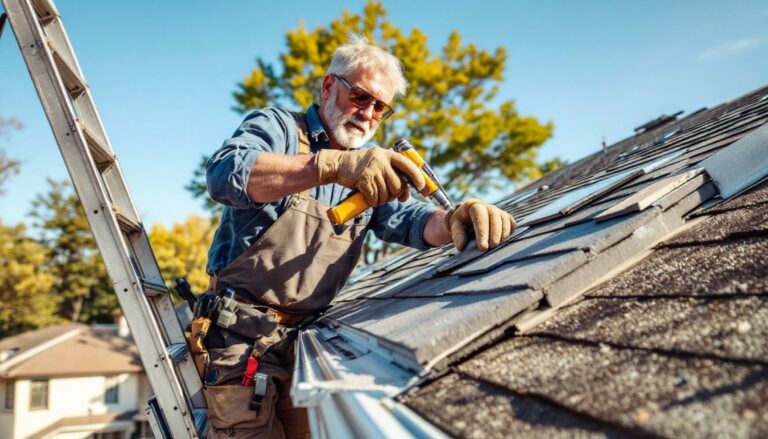
Missing or cracked shingles are the clearest indicators. If shingles are curling at the edges, buckling, or have lost their granular surface (leaving a bald, dark spot), they’re failing. A few damaged shingles in one spot is a repair: whole sections compromised mean the roof is aging out.
Leaks inside the house mean water’s finding a path through. You might see staining on the ceiling, wet insulation in the attic, or soft spots in drywall. These always warrant professional inspection because the damage point and the leak location aren’t always above each other, water travels along structural members.
Sagging or dipping in the roofline signals structural issues. This can point to weakened decking, rotted joists, or improper support underneath. It’s not cosmetic and typically requires both roofing and structural work, this isn’t a patch job.
Moss, mold, or algae growth suggests moisture retention, which speeds deterioration. In humid climates, this is common but indicates the shingles aren’t shedding water as designed.
Age matters too. Standard asphalt shingles last 15–20 years. If your roof’s pushing 20 and you’re seeing isolated damage, repair might be worth it. Beyond 20, even one leak often signals time to replace.
If you’re unsure, schedule a professional inspection. Most reputable contractors offer them free or for a small fee that’s waived if you hire them.
What To Expect During a Professional Roof Inspection
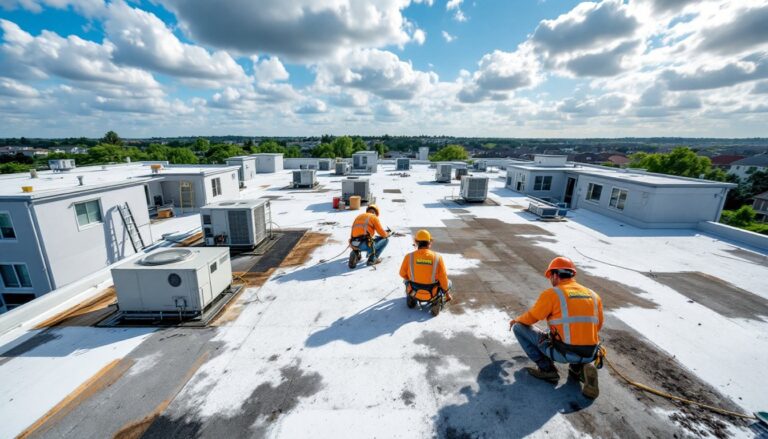
A good inspection takes 30–60 minutes and covers the whole roof, not just the leak spot. The contractor should walk the entire roof surface (or view it from a ladder or drone for safety), check the attic from inside, and examine gutters and flashing.
On the roof itself, they’re looking at shingle condition, nail placement, gaps, sealing, and whether the roof deck is soft or spongy (sign of rot). They’ll check flashing around chimneys, vents, and skylights, these transition points fail more often than the field shingles do.
In the attic, they check for moisture stains, mold, proper ventilation, and whether water is actively entering. This tells them if the problem is recent or long-standing.
They should photograph everything. A professional sends a written estimate with photos of damage, the scope of repair, materials, labor, and warranty details. If they give you a quote over the phone without seeing it, move on.
Ask about the inspection cost upfront. Established contractors often waive it if you proceed, but clarify that before they arrive. The inspection fee usually runs $100–300 depending on roof size and complexity.
A thorough inspector will also note the roof’s overall remaining life and whether small repairs make sense or if replacement is coming soon. They won’t pressure you into decisions, they’ll present options.
How to Find Qualified Shingle Roof Repair Services in Your Area
Start with contractor directories that vet credentials. Platforms like HomeAdvisor’s local roof repair locator connect you with licensed, insured professionals in your area and include homeowner reviews. You can also search your state’s licensing board online to verify a contractor’s credentials before you call.
Ask your network first. If you’ve had other work done, kitchen remodel, plumbing, electrical, ask those contractors for roofing referrals. People trust recommendations from folks they’ve already worked with.
Checking Credentials and Licensing
Licensing is non-negotiable. Every state, and often municipalities, requires roofing contractors to be licensed. Don’t skip this step. Most states’ contractor boards have an online search, use it to verify the company name, license number, and expiration date. Check whether there are complaints or disciplinary records.
Insurance matters equally. A roofing contractor must carry workers’ compensation insurance (required by law in most places) and general liability insurance covering property damage. Ask for proof, a Certificate of Insurance, before work starts. If someone gets hurt on your roof and they’re uninsured, you’re liable.
Ask about bonding. A surety bond protects you if the contractor doesn’t finish the job or fails to pay suppliers. It’s common in roofing and signals a serious, established business.
Years in business count. A contractor with 10+ years in your local area has a reputation to protect. They’ve weathered market cycles, handled thousands of jobs, and are still around.
Reading Reviews and Getting Referrals
Online reviews are a window into service quality. Check Angi (formerly Angie’s List), Google Reviews, and the Better Business Bureau. Look for patterns, one bad review means nothing: repeated complaints about delays, poor cleanup, or hidden charges reveal character. High ratings alone don’t guarantee quality: read the actual feedback.
Ask for references. Request 3–5 recent customers you can contact. Call them. Did the contractor show up on time? Was cleanup thorough? Did issues arise during the job, and how were they handled? Did the warranty hold up?
Local roofing supplier connections help too. Call supply yards where contractors buy materials, they know which contractors are reliable, which ones have disputes, and whose crews work clean. They won’t steer you wrong because their reputation is tied to the contractors they support.
Avoid contractors with no online presence or reviews. If they can’t show you past work or references, there’s nowhere to verify quality.
Typical Shingle Roof Repair Costs and What Affects Pricing
Repair costs depend on damage extent, roof pitch, materials, and your region. A single shingle or two might run $100–300 (material + labor). A larger patch covering several squares (one square = 100 sq. ft.) typically falls between $500–$2,000. Full flashing replacement around a chimney or vent runs $300–$1,000.
Material choice affects price. Standard asphalt shingles cost less than architectural shingles or premium asphalt options. If your roof is an uncommon style, matching materials gets pricier.
Roof pitch (steepness) changes labor difficulty. A steep roof takes longer, requires more safety setup, and is riskier, expect steeper pricing.
Region matters significantly. Urban areas and regions with harsh weather (high winds, hail, heavy snow) typically see higher labor rates. Materials also vary by availability.
Urgency affects timeline pricing. Emergency repairs or scheduling during peak season (late spring, summer) cost more than off-season work.
Always get 2–3 written estimates. Estimates should be itemized, include a warranty period (typically 1–5 years depending on scope), and state what’s included in cleanup and disposal. If one estimate is much lower than others, ask why, better materials, more experience, or is something missing from scope?
Research on Today’s Homeowner offers seasonal repair guides and cost breakdowns for common projects. Use that as a reality check against your local quotes.
Questions to Ask Before Hiring a Roof Repair Contractor
Asking the right questions filters out contractors who won’t deliver and reveals those you can trust.
Ask about the repair plan. How will they address the damage? What materials will they use? Will they remove the damaged shingles or layer new ones over? (Layering over is quicker but doesn’t address underlying issues: full removal and replacement is more thorough.) How long will it take?
Warranty questions matter. What’s covered and for how long? Material defects (manufacturer’s warranty) usually last 10–25 years, but labor warranties are often 1–5 years. Do they guarantee workmanship against leaks during that period?
Safety protocols. How will they prevent water damage inside? Do they use tarps, temporary sealing, or other precautions? Will debris be cleaned up daily or left until the end? Are they OSHA-trained or certified for fall protection?
Payment terms. Do they require a deposit? How much, 10%, 25%, 50%? Never pay the full amount upfront. Standard practice is a deposit to secure materials, then final payment upon completion. Get this in writing.
Permit requirements. Ask if the repair needs a permit. Some jurisdictions require permits for any roof work: others only for replacements. They should know and handle it.
Timeline and weather contingencies. How long from contract to start? What happens if weather delays work? Is there a penalty clause if they miss the promised completion date?
Get everything in writing. A vague handshake deal becomes a dispute. A written contract states scope, timeline, cost, warranty, and payment terms. It protects both of you.
Trust your gut. If a contractor rushes you, can’t answer questions clearly, or seems evasive about credentials, keep looking.
Getting Started With Confidence
Finding the right shingle roof repair contractor comes down to three steps: verify they’re licensed and insured, check their reviews and references, and get detailed written estimates. Don’t hire on price alone. A slightly more expensive contractor who’s established, thorough, and trustworthy saves you money and headache later. Once you’ve narrowed it to 2–3 qualified candidates, ask the hard questions about warranty, scope, and safety. Then sign a contract and let them handle the job. Your roof keeps the rain out, don’t settle for less than a professional who takes that seriously.