Table of Contents
ToggleA roof leak is one of those problems that never feels urgent until water’s dripping into your bedroom at 2 a.m. The good news: not every leak requires a full roof replacement or a contractor’s invoice. Many homeowners can track down the source and apply a temporary or permanent fix without climbing the learning curve of the roofing trade. This guide walks you through identifying where water’s actually coming in, tackling repairs you can handle solo, and knowing when it’s time to phone a pro. Spot a leak early, and you’ll save thousands in water damage and mold remediation down the line.
Key Takeaways
- Water from a roof leak often travels along structural members before dripping, making the actual breach location different from the visible ceiling stain, so identifying the true source in your attic is essential before attempting repairs.
- Flashing failures at chimneys, vents, and skylights are the most common roof leak culprits and can often be fixed with roofing-grade sealant rather than full replacement, saving hundreds in professional costs.
- Quick DIY roof leak repairs like patching damaged shingles and caulking flashing are achievable for homeowners with proper safety precautions, but structural damage, multiple leaks, or steep roofs require hiring a professional roofer.
- Gutter maintenance and clearing debris twice yearly prevents water pooling and seepage that often leads to roof leaks along edge flashing.
- A simple leak repair may cost $150–$500 for DIY or professional patching, while comprehensive fixes like flashing replacement run $500–$2,000, making early detection critical to avoid water damage and mold remediation expenses.
Identify the Source of Your Roof Leak
Water doesn’t always drip straight down from the hole that’s letting it in. It travels along rafters, follows the underside of sheathing, and can pool in unexpected places. That stain on your ceiling might be three feet away from the actual breach. Finding the real source before grabbing caulk and shingles is non-negotiable.
Common Leak Locations
Flashing, the metal trim sealing roof penetrations, is the most common culprit. Look where the roof meets chimneys, vent pipes, skylight frames, or the edges of dormers. Flashing separates from the roof when fasteners corrode, caulk shrinks, or the metal itself rusts through. Damaged shingles come second. Wind, hail, and sun damage the granular surface or crack the asphalt, exposing the underlayment to moisture. Missing shingles are obvious: hairline cracks and bald spots are trickier to spot from below.
Ice dams in winter create a secondary leak scenario. When heat escapes through an under-insulated attic, snow melts and refreezes at the eave, forming a dam. Water backs up under the shingles and finds its way inside. Ridge vents, soffit vents, and gutter seams also fail over time. Pay extra attention to valleys, the V-shaped creases where two roof planes meet, since they channel the most water.
Tools and Techniques for Detection
Start in the attic on a dry day with a flashlight and notepad. Look for water stains, mold, or wet wood. Trace the darkest or dampest spots upward: the leak is usually above them. Mark the location on the exterior if you can see it from inside. On the roof itself (if you’re comfortable climbing), use binoculars from the ground first. Look for lifted shingles, gaps in flashing, holes in vent pipes, or debris clogging gutters.
If rain recently stopped, wait until the shingles dry before inspecting. Water stains on the underside of sheathing are your map, they often show a clear trail back to the entry point. For elusive leaks, some homeowners run a garden hose while a partner watches from the attic: start at the lowest point and work upward, simulating rain patterns. This technique isn’t foolproof but works for intermittent or slow leaks that are hard to localize. Take photos of the stained areas and any visible damage: they’ll help a professional assess the job if you decide to hire one.
Quick DIY Roof Leak Repairs You Can Handle Today
Once you’ve pinpointed the leak, assess its severity and your comfort level. Small patches and flashing caulks are within reach for most homeowners. Structural damage, multiple breaches, or steep/slippery roofs demand professional help. If you proceed, prioritize safety: wear a safety harness anchored to a solid roof feature, non-slip shoes or boots, and have someone spot you.
Patching Damaged Shingles
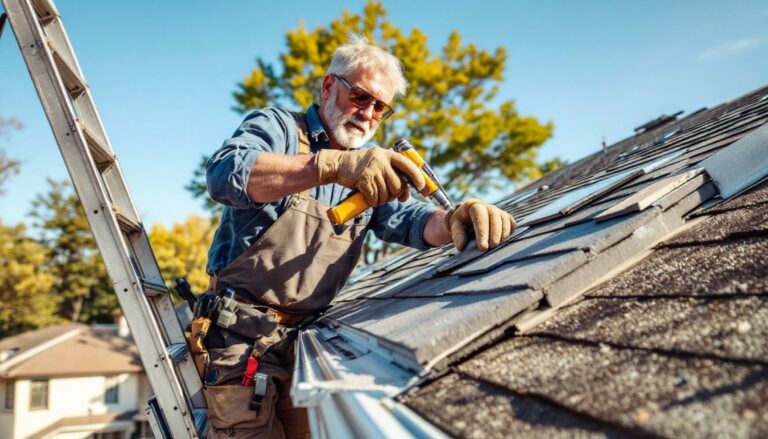
For a single damaged shingle or small tear, a roof patch or sealant can buy you time until you replace the whole shingle. Clean the damaged area with a putty knife, removing debris and loose granules. If the shingle is cracked but intact, apply roofing cement (a thick, black asphalt compound) under the crack with a caulking gun, then nail it down if it’s lifting. Nail placement matters: use 1¼-inch roofing nails and hit the nail strip, the adhesive line below the shingle tabs, so the next shingle’s tab covers the fastener.
For a missing shingle, you’ll replace it rather than patch it. Slide the new shingle under the overlapping shingle above, and secure it with four nails across the nail strip. Remove the old adhesive from the overlapping shingle’s underside with a putty knife, then apply fresh roofing cement to lock everything down. Asphalt shingles typically cost $0.50–$2 each depending on grade: architectural shingles run higher. Use matching color and weight if possible, mismatched shingles stick out and may have different thermal properties.
If multiple shingles are damaged or you’re uncomfortable on the roof, stop here and call a professional. Climbing ladders and roofing work on steep pitches with gutters and valleys below is genuinely risky.
Sealing Flashing and Caulking
Flashing leaks are often a caulk problem, not a structural one. Roof flashing around pipes, chimneys, and dormers should be sealed with a roofing-grade sealant, not generic silicone caulk. Roofing cement or polyurethane roofing sealant adheres better and flexes as the roof expands and contracts. Silicone caulk dries rigid and will crack under movement.
Clean the area around the flashing with a wire brush and a putty knife to remove old caulk, rust, and debris. Let it dry completely. Apply a continuous bead of roofing sealant around the flashing, working from a caulking gun. Smooth it with a wet finger or caulk tool if your sealant allows it. Let it cure per the manufacturer’s specs, usually 24 to 48 hours, before exposing it to rain or standing on it.
If flashing is rusted through, torn, or severely bent, it needs replacement, not caulking. This requires removing surrounding shingles and nails, sliding out the old flashing, and installing new metal flashing in the same footprint. Professionals handle this in under an hour: DIYers often spend a full afternoon learning the angles. Flashing replacement also dips into permit territory in some jurisdictions, especially around chimneys and skylights. Check with your local building department. Leaking gutters and downspouts are also common culprits: clogged leaves and debris block drainage, causing water to pool and seep under edge flashing. Clear gutters twice yearly, or install gutter guards to reduce maintenance. You can also apply gutter sealant where the gutter meets the fascia if gaps are visible, though this is temporary, a sagging or deteriorated gutter often signals replacement time.
When to Call a Professional Roofer
Not every leak is a DIY job. Structural rot, widespread shingle damage, flashing replacement, ice dams, or roofs steeper than a 7:12 pitch are professional territory. If you’re uncomfortable working at height, have mobility or balance issues, or your roof is older than 20 years, hiring an expert makes financial and safety sense. A licensed roofer carries insurance, knows local codes, and can spot secondary issues, like inadequate ventilation or failing underlayment, while they’re up there.
Costs vary wildly by region and material, but a simple patch-and-caulk job might run $150–$500, while flashing replacement or a shingle section repair could be $500–$2,000. A full roof replacement averages $5,000–$15,000 for an asphalt shingle roof on a typical home, though metal, tile, and slate roofs cost significantly more. Get three quotes and ask what’s included: materials, disposal, flashing upgrades, and warranty length.
Professionals also handle permits. Some jurisdictions require permits for roof repairs over a certain cost or scope, especially if structural issues are involved. Pulling a permit costs $50–$200 but ensures the work meets code and protects your insurance claim if water damage occurs later. Don’t skip this step to save a few bucks: it can void coverage. For local contractor referrals and cost estimates, home service platforms like Angi feature reviews and project pricing. If you’re tackling a leak and want backup, Family Handyman’s repair tutorials and local roof repair specialists on HomeAdvisor are solid resources for both guidance and professional matching.