Table of Contents
ToggleThere’s no worse time for an HVAC system to fail than when you need it most, blazing summer heat or freezing winter nights. An emergency HVAC repair can feel like a crisis, but knowing what to do before the technician arrives can save you money, discomfort, and panic. This guide walks you through identifying when you genuinely need immediate help, what quick troubleshooting steps might buy you time, how to prepare your home for repairs, and most importantly, how to avoid these emergencies altogether. Whether you’re facing 24-hour HVAC repair needs or learning about preventative maintenance, we’ll cover the practical steps every homeowner should know.
Key Takeaways
- Emergency HVAC repair is necessary only for critical issues like complete loss of heating/cooling, strange sounds, refrigerant leaks, or water damage—not minor temperature fluctuations.
- Quick troubleshooting steps such as checking your thermostat, resetting circuit breakers, replacing filters, and removing debris can resolve about 20% of emergency HVAC repair calls at zero cost.
- Preparing your workspace by clearing clutter around your furnace and outdoor unit and gathering maintenance records helps technicians work faster and reduces labor costs.
- Annual furnace maintenance service and AC unit maintenance appointments in fall and spring prevent costly emergency repairs and extend your system’s lifespan by over 5 years.
- Regular filter changes every 1–3 months, drain line cleaning, and monitoring thermostat behavior are the most affordable preventative measures to avoid emergency HVAC repair situations.
When to Call for Emergency HVAC Repair
Not every HVAC glitch requires an emergency call. Knowing the difference between a minor hiccup and a genuine crisis prevents unnecessary service charges while ensuring you get help when it truly matters.
Signs Your System Needs Immediate Attention
Stop and call for emergency HVAC repair near you if any of these red flags appear:
- Complete loss of heating or cooling. If your furnace won’t fire up in winter or your AC unit produces no cold air when outdoor temps exceed 85°F, you need help fast. Homes can become dangerously hot or cold within hours.
- Strange sounds or burning smells. A grinding noise from your furnace, high-pitched squealing from the outdoor unit, or any smell of burning rubber or electrical burning demands immediate attention. These often signal mechanical failure or electrical hazard.
- Refrigerant leaks. If you spot oily residue around your outdoor AC unit or notice the system blowing warm air even though running constantly, refrigerant loss is likely. EPA regulations prohibit most homeowners from handling this themselves, and continuing to run a low-refrigerant system damages the compressor, the most expensive component to replace.
- System won’t turn on at all. Check your thermostat setting and circuit breaker first, but if power isn’t reaching the unit or it won’t respond to temperature changes, that’s an emergency.
- Water leaking inside your home. The condensate drain can clog, causing water to back up into your attic or walls, risking mold and structural damage. This needs attention same-day, not eventually.
Temperature swings of 5-10 degrees don’t require emergency service. A system cycling on and off more frequently than usual might need maintenance but isn’t urgent. When in doubt, call for an evaluation, many 24-hour HVAC repair services offer phone diagnostics that cost nothing.
Common Emergency HVAC Problems and Quick Fixes
Before you shell out emergency service fees, try these troubleshooting steps. Sometimes the fix takes five minutes and costs zero dollars.
Troubleshooting Before the Technician Arrives
Check the thermostat. Verify the device is set to Heat or Cool (not Off or Auto), the desired temperature is above current room temp for heating or below for cooling, and batteries aren’t dead (many wireless thermostats run on AAA cells). Flip it off and back on. Sometimes they just need a reset.
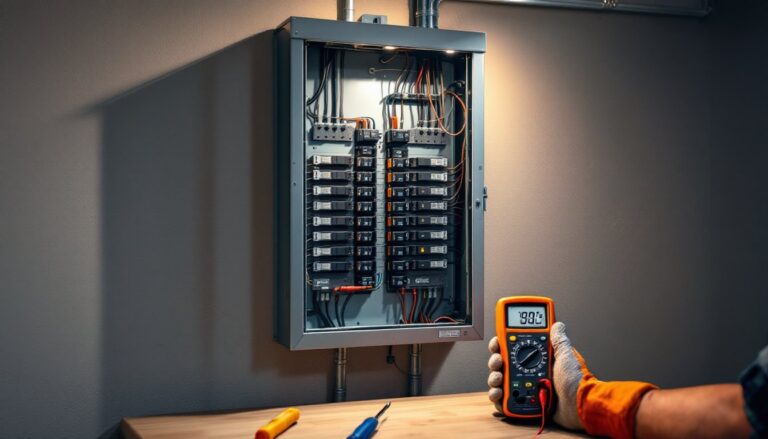
Inspect the circuit breaker and disconnect switches. Head to your electrical panel and look for a breaker labeled HVAC or Furnace. If it’s flipped to the off position, switch it back on. Your outdoor AC unit likely has a disconnect switch (a gray box near the unit), make sure it’s in the on position. A tripped breaker often means an electrical issue, so if it flips again immediately, stop and call for emergency repair.
Replace the furnace filter. A clogged 1-inch furnace filter or 4-inch media filter (check your slot dimensions) restricts airflow and causes systems to overheat and shut down. Most homeowners can swap this in two minutes, they slide into a slot on the furnace’s return-air side. If the filter is gray or brown instead of white, it’s past due.
Thaw frozen AC refrigerant lines. In winter or early spring, you might see ice buildup on the copper tubing running from your outdoor unit. Turn off the system and let it sit for an hour, warm indoor air will thaw the lines. This sometimes happens because the furnace’s heat exchanger isn’t warming the return air properly, so the coil freezes. Once thawed, if it refreezes, the compressor likely can’t pump effectively and needs professional diagnosis.
Check for obvious blockages. Leaves, rodent nests, and grass clippings love the outdoor unit. Turn off the system, remove large debris by hand (wear gloves), and rinse the condenser coil gently with your garden hose at low pressure. Don’t use a pressure washer, it can bend the fins.
If none of these steps restore function, you genuinely need emergency HVAC repair near you. Those quick wins prevent about 20% of after-hours service calls.
How to Prepare Your Home for Emergency Repairs
When the technician arrives, preparation speeds the job and may reduce labor time, and cost.
Clear the workspace around your furnace and outdoor unit. Furnaces live in basements, attics, or closets: outdoor AC units sit in yards or on rooftops. Remove boxes, storage items, and debris so the technician can access the equipment without wasting 15 minutes digging through clutter. For outdoor units, trim back vegetation and ensure there’s a clear 2-foot radius around all sides.
Have your service history and warranty documents handy. Know your system’s age and the last time you had an HVAC maintenance service performed. If you’re under warranty, provide the paperwork, some repairs may be covered. Your system’s nameplate (affixed to the equipment) lists model and serial numbers: snap a phone photo beforehand.
Gather your recent energy bills or thermostat readings. If the system’s been running constantly or you’ve noticed a sudden spike in electric usage, that information helps the technician diagnose efficiency problems.
Keep pets and kids away during the visit. Repair work often involves opening electrical panels, climbing on roofs, or handling refrigerant lines. A safe work zone prevents accidents and keeps the technician focused on the job.
Ask questions while they’re there. Once they’ve diagnosed the problem and done the repair, ask about preventative maintenance steps they recommend and whether your furnace maintenance service or AC unit maintenance is due. Understanding the issue prevents panic on the next emergency call. Resources like HomeAdvisor can also help you understand typical repair costs in your area and what to expect.
Preventing Future HVAC Emergencies
The best emergency is the one that never happens. HVAC preventative maintenance isn’t sexy, but it’s the cheapest insurance you can buy.
Schedule a furnace maintenance service and AC unit maintenance each year. Fall tune-ups prepare your furnace for winter: spring appointments get your air conditioner ready for summer. During these visits, technicians clean components, check refrigerant levels, test electrical connections, and catch worn parts before they fail catastrophically. This costs $150–$300 per visit but prevents $2,000+ compressor replacements and emergency service charges that often carry a $100–$150 flat fee just to show up at night.
Change furnace filters on schedule. Every 1–3 months, depending on your filter type and whether you have pets or allergies, swap in a fresh filter. Mark your calendar or set a phone reminder. It’s the easiest, cheapest maintenance task and prevents most low-airflow problems.
Keep condensate drain lines clear. Your AC system produces condensation: this drains through a small PVC pipe. Pour a cup of white vinegar down the drain line in spring and fall to prevent algae and mold buildup that clogs the drain.
Monitor thermostat behavior. If you notice the system cycling more frequently, running longer to reach target temps, or the temperature swinging wider than normal, that’s your cue to call for a diagnostic visit, not an emergency, but don’t ignore it.
Have a written HVAC preventive maintenance plan. Working with a reputable HVAC repair service near your home to establish a service agreement often locks in lower rates and guarantees priority scheduling. Many companies offer maintenance plans that cover one or two annual visits plus discounted emergency rates. According to industry guidelines, proper HVAC preventative maintenance extends system life by 5+ years and improves efficiency by 15–20%.
Your HVAC system is like your car, regular oil changes prevent engine seizure. Neglect it, and you’ll pay dearly.
Conclusion
Emergency HVAC repair is stressful, but most failures aren’t truly unexpected, they’re the result of skipped maintenance or ignored warning signs. By learning to spot red flags, trying basic troubleshooting first, and investing in annual tune-ups, you’ll spend far less time sweating or shivering and much more time comfortable in your own home. When you do need help, a prepared home and clear communication with your technician make the process smoother and faster.