Table of Contents
ToggleFort Worth’s climate, scorching summers pushing past 95°F and unpredictable winters, puts real wear on air conditioning and heating systems. Your HVAC unit works overtime, and when it fails, your home becomes uncomfortable fast. Whether you’re facing a refrigerant leak, a compressor that won’t kick in, or weak airflow, knowing what’s normal wear versus a genuine repair issue can save you hundreds in emergency service calls. This guide walks you through common problems, warning signs, and when it’s time to call a professional versus troubleshooting on your own.
Key Takeaways
- Fort Worth’s extreme heat and temperature swings put constant stress on HVAC systems, making regular maintenance and early problem detection essential to avoid costly emergency repairs.
- Common HVAC repair issues include refrigerant leaks, capacitor failure, duct leakage, and clogged filters—learning to identify warning signs like weak airflow, unusual noises, and rising energy bills can help you act before total system failure.
- Simple DIY troubleshooting steps such as checking your thermostat, replacing air filters, inspecting vents, and verifying your breaker can resolve many problems before you need to call an HVAC repair professional.
- Refrigerant handling, electrical diagnostics, and compressor repairs require EPA-certified technicians and should never be attempted on your own due to safety and legal requirements.
- Preventative maintenance—including quarterly filter changes, annual condenser coil cleaning, ductwork inspections, and professional service visits costing $150–300 per year—prevents emergency repairs exceeding $1,500 and extends your system’s lifespan.
- Smart thermostat settings (78°F in summer, 68°F in winter) and proper condenser clearance significantly improve energy efficiency and reduce cooling and heating costs throughout the year.
Common HVAC Problems in Fort Worth’s Climate
Fort Worth’s climate is brutal on HVAC systems. The extreme heat forces air conditioning units to run nearly constantly June through September, which stresses compressors, capacitors, and refrigerant lines. Winter temperature swings, from mild days to occasional freezes, can cause condensation buildup and component fatigue.
Refrigerant leaks are among the most frequent issues. Small holes or worn connection points allow refrigerant to escape, reducing cooling capacity. You’ll notice the AC running but not cooling effectively. Refrigerant itself requires certification to handle, so this is a “call a professional” job.
Capacitor failure is another common culprit. The capacitor stores electrical energy to start the compressor and fan motor. When it dies, the system won’t start at all, even if everything else is functional. A bad capacitor might hum or buzz but fail to engage the compressor, a telltale sign. Indoor air quality suffers during peak pollen seasons too. Clogged filters compound cooling problems and spread dust through your ductwork.
Duct leakage is especially problematic in older Fort Worth homes. Gaps at joints, punctures, or poor sealing waste 20–30% of conditioned air before it reaches your rooms. You end up running the system harder to maintain comfort, driving energy costs up without improving results.
Signs Your HVAC System Needs Repair
Catching problems early prevents total system failure during peak season. Listen and feel for changes in how your system operates.
Performance Red Flags to Watch For
Weak or uneven airflow through vents is often the first red flag. Place your hand near a supply vent: air should move forcefully. If it’s a trickle, the blower motor may be failing, the filter may be severely clogged, or ductwork could be blocked or leaking.
Unusual noises matter too. A rattling sound suggests loose panels or internal components. High-pitched squealing points to a worn blower belt or failing motor bearing. Grinding or clicking during startup can indicate a mechanical jam or electrical relay problem.
Temperature inconsistency across rooms signals duct leakage, blocked vents, or a thermostat issue. If the bedroom stays 5–10°F warmer than the living room, don’t assume it’s normal. Check that all vents are open and unobstructed first.
Odors warrant attention. A musty smell suggests mold in ducts or the evaporator coil. A burning scent points to motor stress or electrical issues. Both require professional inspection. Rising energy bills without increased usage also indicate declining efficiency, compressors working harder, refrigerant leaking, or ductwork losing conditioned air.
DIY Troubleshooting Steps Before Calling a Professional
Simple checks can save you a service call fee. Start with basics before reaching for the phone.
-
Check the thermostat. Make sure it’s set to cool or heat (not off), the temperature setpoint is below or above the current room temp, and batteries aren’t dead. A digital thermostat that’s dim or unresponsive often just needs fresh batteries.
-
Inspect the air filter. A 1-inch disposable filter should be replaced every 1–3 months: a 4-inch pleated filter every 6–12 months. Hold it up to a light, you should see light through it. If it’s dark and dense, replace it. A clogged filter starves the system of airflow and triggers safety shutdowns.
-
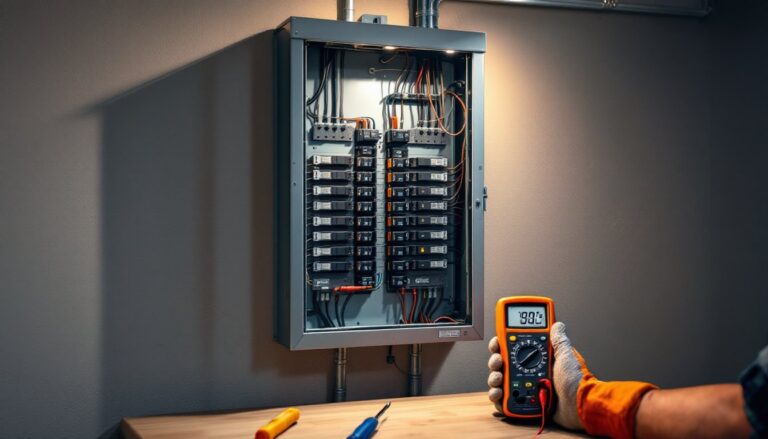
Verify the breaker. Check your electrical panel for a tripped breaker labeled “HVAC” or “AC.” Flip it fully off, then back on. If it trips again immediately, stop and call a professional, that’s an electrical fault.
-
Clear vents and returns. Ensure supply vents aren’t blocked by furniture or curtains. Check return air grilles (usually on walls or the ceiling) for dust and debris. A vacuum with a hose attachment works well.
-
Listen for the compressor. Go outside to the condenser unit. You should hear it running when the AC cycles. If it hums but the fan doesn’t turn, the capacitor has likely failed. If it’s completely silent, check the breaker and thermostat again.
-
Look for ice on the outdoor unit. Light frost on the coils during cold mornings is normal. Thick ice buildup means the system is freezing up, usually a sign of low refrigerant or restricted airflow. Turn it off and call a pro.
If none of these steps restore operation, a professional visit is justified.
When to Call a Fort Worth HVAC Professional
Some repairs demand licensed technicians. Refrigerant handling, electrical diagnostics, and compressor work require EPA certification, proper equipment, and liability insurance.
Call a professional if the compressor won’t start even though the thermostat and breaker are fine. The capacitor may need replacement, a straightforward job for a tech but risky for a DIYer. If you hear refrigerant hissing or notice oily stains near connection points, refrigerant is leaking and the system needs a certified tech to locate the leak, repair it, and recharge the system.
Electrical issues also require a pro. Burning smells, constant breaker tripping, or a humming condenser with no fan movement suggest a motor, capacitor, or relay failure. These are dangerous to diagnose without proper training.
With multiple rooms at different temperatures even though all vents open and the filter clean, ductwork may be leaking or disconnected. A tech uses duct sealing tape, mastic, and pressure testing to pinpoint and fix leaks. You’ll notice lower energy bills and more even cooling after.
Fort Worth homeowners can find qualified contractors through multiple resources. Top-rated heating and air conditioning professionals in Fort Worth, TX are listed and reviewed by homeowners online. Services like HomeAdvisor let you compare local contractors, check credentials, and get free estimates before committing.
Preventative Maintenance Tips for Year-Round Comfort
Regular upkeep extends system life and keeps repair costs down. Set a maintenance schedule, spring before cooling season and fall before heating season.
Filter replacement is non-negotiable. Mark your calendar every three months and swap the filter yourself. A clean filter cuts strain on the blower motor and improves indoor air quality.
Outdoor condenser care matters too. Clear debris, leaves, grass clippings, dirt, from around the unit. Keep at least 2 feet of clearance on all sides. Hose off the condenser coils once a year with low pressure to remove dust that blocks airflow. Don’t use high pressure: it can bend aluminum fins.
Thermostat settings affect efficiency. In summer, set it to 78°F when home and higher when away. In winter, aim for 68°F. Each degree of cooling costs about 3% more: heating follows a similar curve. A programmable or smart thermostat automates adjustments and saves money without sacrifice.
Ductwork inspection catches leaks early. Walk your attic or crawl space quarterly. Look for disconnected ducts, visible holes, or loose seams. Use duct sealing mastic (not duct tape, it fails in heat) to seal small gaps. For major leaks, a pro’s pressure-test equipment finds hidden problems.
Professional service once a year, typically spring for AC and fall for heating, lets a tech clean coils, check refrigerant level, test electrical connections, and lubricate motors. This costs $150–300 but prevents $1,500+ emergency repairs. Expert guidance from Bob Vila’s home improvement advice offers additional tips on keeping systems running smoothly.
Conclusion
HVAC repair in Fort Worth doesn’t have to be daunting. Start by tackling simple troubleshooting, filters, thermostats, and breakers. Understand when a problem is DIY-fixable and when it demands professional expertise. Most importantly, stay on top of preventative maintenance. Clean filters, clear condenser coils, and annual service visits keep your system efficient and reliable, letting you stay comfortable through Fort Worth’s extreme seasons without surprise failures.