Table of Contents
ToggleManaging a multi-family roof requires a different mindset than fixing a single-family home. You’re not just protecting one household, you’re securing the investment and safety of dozens of residents. Multi-family roof repair involves coordinating across multiple units, budgeting for larger-scale materials, and knowing when to call professionals versus tackling accessible issues yourself. This guide walks you through identifying common roof problems, assessing repair urgency, managing costs, and keeping tenants informed. Whether you’re a property manager overseeing a triplex or a homeowner with rental units, understanding roof maintenance and repair strategies will save you money, headaches, and liability.
Key Takeaways
- Multi-family roof repair requires professional assessment for structural damage, membrane replacement, and code compliance to protect residents and avoid liability issues.
- Common warning signs like leaks, pooling water, membrane blistering, and flashing failures should be inspected seasonally to catch problems before they become costly emergencies.
- Strategic phasing of repairs, obtaining multiple bids, and choosing durable materials like TPO or EPDM membranes can reduce costs while maintaining quality across multi-family buildings.
- Semi-annual inspections, quarterly gutter cleaning, and annual flashing resealing are preventative maintenance tasks that extend roof lifespan by 5–10 years and prevent water damage.
- Clear tenant communication with advance notice, documented pre-existing damage, and a single point of contact minimizes disruption and protects you from liability during multi-family roof repair projects.
Common Multi-Family Roof Issues and Early Warning Signs
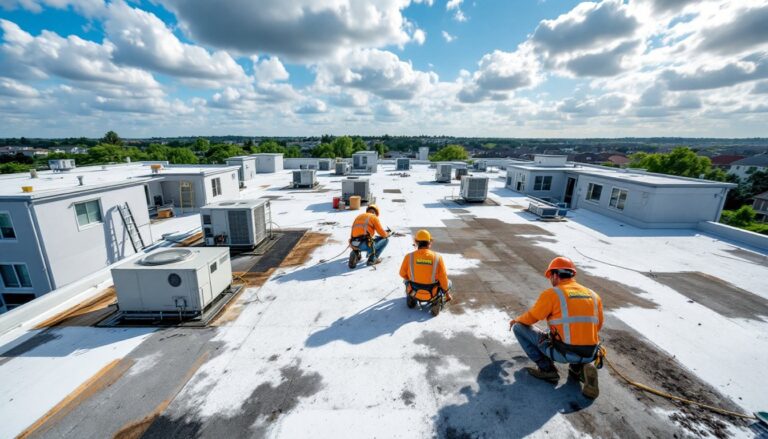
Multi-family roofs wear faster than single-family homes due to higher foot traffic, more HVAC units, and larger surface areas exposed to weather. Start by learning what to look for before problems become emergencies.
Leaks and water stains are the most obvious warning sign. Check attics, crawl spaces, and upper-floor ceilings after heavy rain. Look for discoloration, soft spots, or peeling paint, these indicate water has been pooling or dripping for a while. Pooling water on flat roofs is another red flag: standing water accelerates deterioration and is often a drainage issue rather than a membrane failure.
Membrane blistering or seam separation occur when the roof covering (usually TPO, EPDM, or modified bitumen on flat roofs) separates from its substrate or develops air pockets. This happens after years of UV exposure and thermal cycling. Granule loss on asphalt shingles, visible as dark patches or gritty debris in gutters, signals the shingles are past their prime and won’t shed water effectively.
Flashing failures around vents, chimneys, and skylights are where most leaks actually originate. Flashing is the metal or rubber trim that seals penetrations: when it cracks, rusts, or pulls away, water sneaks in. Sagging sections indicate structural damage or compromised decking underneath, never ignore this, as it affects building safety. Check flashings and gutters seasonally: debris clogs are preventable but create backups that damage edges and interiors.
Assessing When Professional Repairs Are Necessary
Not every roof issue is a DIY job. Knowing which repairs require a licensed roofer protects residents and keeps you out of legal and safety trouble.
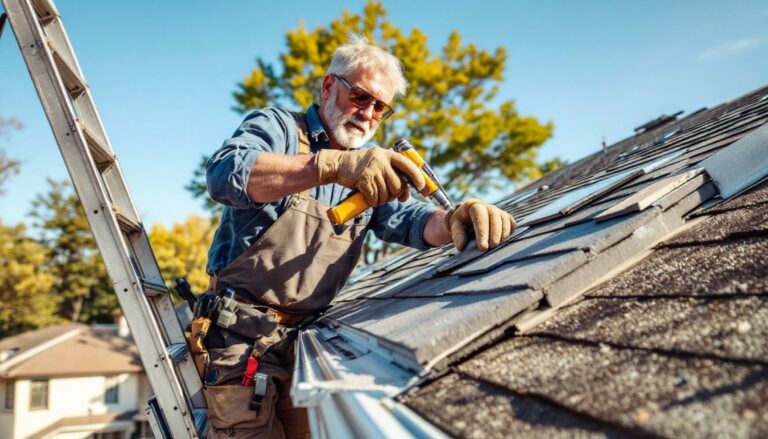
Minor repairs you might handle yourself include replacing a few missing shingles, resealing flashing with roofing caulk, or clearing debris from gutters and valleys. These assume safe roof access via a ladder, clear weather, and proper PPE (safety glasses, work gloves, and a fall harness if working at height). Even then, if the roof is steep (over a 7-in-12 pitch), wet, or algae-covered, hire a pro, slips cause injuries and lawsuits.
Structural damage, membrane replacement, and load-bearing work always demand licensed contractors. Multi-family buildings have different code requirements than single-family homes: roofing work often requires permits, inspections, and proof of proper material installation. A professional roofer carries liability insurance, ensures work meets local building codes (which vary by jurisdiction), and provides warranties.
Red Flags That Require Immediate Contractor Attention
Active leaks affecting occupied units need same-day or next-day attention. Prolonged water intrusion breeds mold, damages drywall, and creates tenant disputes. Structural sagging or bowing signals roof deck failure and is a life-safety issue. Large-scale membrane separation or widespread blistering means your roof’s days are numbered: get an inspection and plan replacement sooner rather than later. Damage from storms or falling debris should be documented with photos and reported to your insurance company immediately: contractors can then help file claims. Don’t delay on these, emergency repairs often cost more than proactive ones, and tenant dissatisfaction compounds the problem.
Budget-Friendly Repair Strategies Without Compromising Quality
Multi-family roof repairs are expensive because of scale and complexity. Smart budgeting keeps quality high and costs manageable.
Phase repairs strategically. Instead of replacing an entire roof at once, patch and maintain sections that are in decent shape while replacing the worst areas. This spreads costs over two or three years and gives you time to save or secure financing. Get multiple bids. Contact at least three licensed roofers and ask for detailed estimates that break down labor, materials, and warranty terms. Don’t just pick the cheapest, a lowball bid often signals corners cut on materials or workmanship.
Choose durable materials wisely. For multi-family roofs, TPO (thermoplastic olefin) and EPDM (ethylene propylene diene monomer) membranes are cost-effective and last 15–20 years with proper maintenance. Higher-end options like spray foam or PVC membranes cost more upfront but can last 25+ years and offer better energy efficiency. A roofer can advise which suits your building’s needs and climate.
Bundle projects. If you’re already replacing flashing around one vent, do the whole roof’s vents while the roofer is up there. The mobilization cost is shared, making per-unit repairs cheaper. Check for bulk material discounts and ask contractors if they’re doing other jobs nearby, shared equipment rental can lower fees. Resources like HomeAdvisor help compare regional labor rates and material costs, so you know if a bid is in line with market conditions. Don’t skip warranties. A 10-year manufacturer warranty on materials plus a 5-year labor warranty from the contractor protects your investment.
Preventative Maintenance to Extend Your Roof’s Lifespan
An ounce of prevention saves pounds in emergency repairs. Routine maintenance extends roof life by 5–10 years and catches problems early.
Schedule semi-annual inspections, ideally in spring and fall. Walk the roof (safely, with a partner) or hire a roofer to check flashings, membrane condition, and drainage. Look for cracks, separations, debris accumulation, and any pooling. Clear gutters and valleys quarterly, or more often if you have tree coverage. Clogged gutters force water under eaves and accelerate edge rot. Trim overhanging branches to reduce debris and improve airflow, which prevents algae and moss growth (especially in humid climates).
Reseal flashing annually with quality roofing caulk (not silicone: roofing caulk is designed to expand and contract with temperature). Check HVAC and vent seals where they penetrate the roof: these are major leak sources. Keep the roof clear of debris and standing water, both shorten lifespan. On flat roofs, ensure drainage isn’t blocked and that water exits within 48 hours of heavy rain.
Document everything. Keep a logbook of inspections, repairs, and maintenance dates. This record proves diligent upkeep to insurance companies and future buyers, and it helps you predict when major replacement is due. Most asphalt shingle roofs last 15–20 years: flat roofing membranes last 15–25 depending on type. Knowing your roof’s age helps you budget intelligently and avoid catastrophic failure.
Navigating Repairs Across Multiple Units and Tenant Coordination
Multi-family repairs involve managing access, minimizing disruption, and maintaining clear communication with residents.
Plan access in advance. Send written notice (typically 24–48 hours ahead, per local laws) to affected units detailing what work is happening, when, and how long it will take. Roof work often requires roof hatch or attic access through individual units, so tenants must be prepared. Schedule during daylight hours and weekdays when possible: noise and activity from roofing work can frustrate residents. Protect unit interiors. Roofers should lay drop cloths, seal dust, and minimize debris falling into occupied spaces. If vents or skylights are disturbed, ensure air flow and ventilation aren’t compromised during repairs.
Assign a single point of contact. Tenants should know one person to call with concerns or leak reports. This prevents mixed messages and ensures quick response if water damage occurs during work. Document existing damage. Before repairs begin, photograph any pre-existing water stains or interior damage. This protects you if a tenant later claims the repair work caused harm. Be transparent about cost and timeline. If major replacement is needed, explain why and give tenants realistic timelines. Transparency builds trust and reduces complaints.
Coordinate utility and parking needs. If contractors need to stage materials on the lot or set up equipment, ensure parking and emergency access aren’t blocked. Many jurisdictions require permits for multi-family roof work, and inspectors may visit during the project. A good contractor handles permitting and coordination: if they balk at this, consider another bid. Family Handyman and contractor resources offer practical tips for managing home maintenance across shared properties.
Conclusion
Multi-family roof repair isn’t glamorous, but it’s one of the highest-ROI maintenance investments you’ll make. Address leaks and damage promptly, invest in preventative maintenance, and don’t hesitate to hire licensed professionals for structural or large-scale work. Phase repairs strategically, get multiple bids, and keep detailed records. Open communication with tenants and contractors ensures smooth projects and fewer surprises. Your roof protects everyone underneath it, treat it accordingly, and it’ll protect your investment for years to come.