Table of Contents
ToggleWhen your commercial refrigerator stops cooling or starts making an alarming noise, panic sets in, especially if you’ve got food at stake or a business depending on it. Finding the right commercial refrigerator repair service in your area doesn’t have to be stressful. Unlike calling in a general handyperson, you need a technician trained specifically on commercial cooling equipment: they understand the nuances of hermetic compressors, thermostatic expansion valves, and high-capacity refrigeration loops that differ significantly from home units. This guide walks you through locating reliable technicians, understanding what to expect during a service call, and knowing when it’s time to call for help rather than attempt a DIY fix.
Key Takeaways
- Commercial refrigerator repair near me requires EPA-certified technicians trained in specialized cooling systems, not general handypersons, due to complex components and federal legal requirements.
- Verify technician credentials by confirming EPA Section 608 certification, checking BBB ratings, and requesting references from commercial clients before hiring.
- Professional diagnostics typically take 15–45 minutes and should include pressure testing, electrical verification, and a written estimate before any repair work begins.
- Common commercial refrigerator repairs range from affordable fixes like capacitor replacement ($75–$250) to expensive compressor replacements ($800–$2,500).
- Find reliable local technicians through targeted Google searches, platforms like Angi and HomeAdvisor, and personal referrals from restaurant owners and facilities managers in your area.
- Delaying professional commercial refrigerator repair can cost significantly more in spoiled food and lost business revenue than the service call itself.
Why You Need Professional Commercial Refrigerator Repair Services
Commercial refrigerators aren’t just larger versions of your kitchen fridge, they’re engineered systems designed for demanding, continuous operation. These units run 24/7 in restaurants, grocery stores, offices, and retail environments, making them far more complex than residential appliances.
A commercial unit uses heavy-duty compressors that cycle thousands of times monthly, advanced thermostatic controls, and specialized refrigerants that require EPA certification to handle. When something goes wrong, the stakes are higher: spoiled food, health code violations, lost business revenue, or even liability issues if food safety is compromised.
Attempting repairs yourself isn’t just risky, it’s illegal in most jurisdictions. Federal law requires an EPA Section 608 certification to work with refrigerants. Beyond legality, commercial systems involve high-pressure components and electrical loads (often 208 or 277 volts) that can cause serious injury or equipment damage if mishandled. Even if you’re comfortable tackling residential repairs, commercial work demands specialized knowledge and tools.
A licensed technician brings diagnostics, proper refrigerant recovery equipment, and the ability to identify whether you need a simple repair (a failed capacitor, clogged filter-drier) or a replacement unit. They’ll also help you stay compliant with health department regulations and warranty obligations, something you forfeit if you’ve already had an unlicensed person open the system.
How to Find Reliable Commercial Refrigerator Repair Technicians Near You
Finding a qualified technician starts with knowing where to look and what credentials to verify.
Online Search and Review Platforms
Start with a targeted search: Google “commercial refrigerator repair near me” or “restaurant equipment repair [your city]” to surface local services. Platforms like Angi connect you with vetted local refrigerator repair professionals who’ve undergone background checks and carry required certifications. Filter results by customer ratings, but don’t weight stars alone, read reviews carefully. Look for comments about response time, whether technicians diagnosed issues clearly, and if prices matched the estimate.
HomeAdvisor is another solid option for contractor matching. It lets you specify the type of equipment and get matched with certified professionals in your area. Many platforms show technician credentials upfront, watch for EPA Section 608 certification and manufacturer training badges (Carrier, Copeland, or Embraco technicians, for example).
Better Business Bureau (BBB) listings are worth checking too. A business with a BBB rating has been vetted for licensing and history of complaints. If a company has unresolved complaints or no rating at all, that’s a red flag.
Local Referrals and Networking
Personal referrals often beat online searches. If you know restaurant owners, grocery managers, or other business operators nearby, ask who they use. A technician handling commercial kitchens in your area has proven reliability and knows local building codes and health department quirks.
Local restaurant supply companies and equipment dealers (like Hubbard or Graff-Piest in many regions) often have service departments or trusted referrals. Call them directly, they’ll recommend technicians they know work fast and do quality jobs. Facilities managers at office buildings or shopping centers can offer solid leads too.
When contacting a potential technician, ask three quick questions: (1) Are you EPA 608 certified? (2) What’s your typical response time for emergency calls? (3) Can you provide references from commercial clients? If they hesitate on any answer, keep searching.
What to Expect During a Commercial Refrigerator Repair Service Call
Understanding the service process helps you prepare and assess whether the technician is doing thorough work.
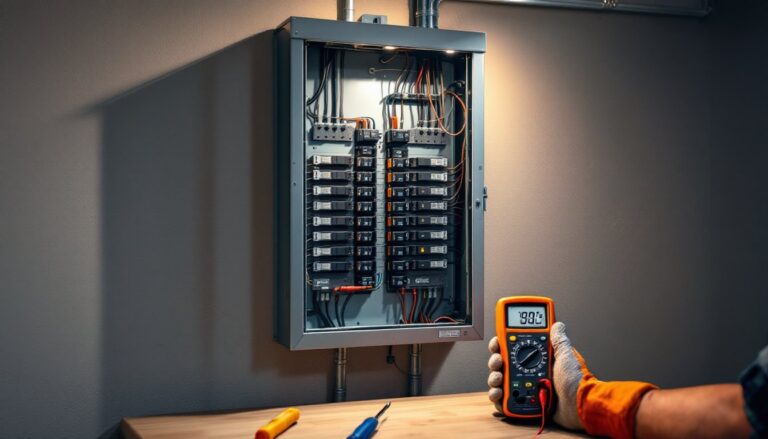
A professional will start with a system inspection: checking refrigerant pressure (measured in psig, pounds per square inch gauge), testing electrical connections, and listening to compressor operation. They’ll use a digital multimeter to verify voltage supply and a thermometer to confirm the unit is actually cooling to spec, or not. This diagnostic phase typically takes 15–45 minutes depending on complexity.
Common repairs include replacing a failed compressor (the most expensive, often $800–$2,500 depending on unit size and brand), recharging refrigerant (usually $200–$400 if you’ve got a slow leak), or replacing a condenser coil (around $400–$800). Less costly fixes include replacing a capacitor or contactor ($75–$250), cleaning condenser fins choked with grease and dust, or repairing electrical connections.
A good technician will explain what they found, show you the problem if possible, and give you a written estimate before proceeding. They should discuss whether repair or replacement makes economic sense, a 15-year-old unit with a failed compressor might be cheaper to replace than to repair. They’ll also discuss warranty: most repair work carries a 1–2 year parts warranty and 90-day labor warranty.
After repair, expect the technician to run a full operational test: pulling the unit down to proper temperature, verifying compressor cycling, and checking for any refrigerant leaks. A leak means the underlying cause (a puncture, failed seal, or manufacturing defect) must be addressed, not just a top-up.
Before they leave, ask for an itemized invoice showing parts replaced, labor hours, and any service recommendations. If refrigerant was added, it should list the type (R-404A, R-134a, R-22, etc.) and pounds added, this matters for future service calls and EPA compliance documentation.
Conclusion
Commercial refrigerator repair requires expertise that goes beyond typical DIY territory. By using targeted online searches, leveraging local referrals, and verifying credentials upfront, you’ll find a technician who solves the problem right the first time. Know what to expect during the call, diagnostics, clear communication, and a written estimate, and you’re positioned to make an well-informed choice on repair versus replacement. Don’t delay calling for help: a failed commercial unit costs far more in lost revenue than a service call bill.